
Essential Tips for Booking Your 2026 South African Hunting Safari

Booking a hunting safari in South Africa for 2026 requires careful planning to ensure a rewarding and safe experience. South Africa offers some of the best hunting opportunities in the world, with diverse wildlife and stunning landscapes. To make the most of your trip, you need to consider several important factors before confirming your booking. This guide will help you understand what to look for and how to prepare for a successful hunting safari.
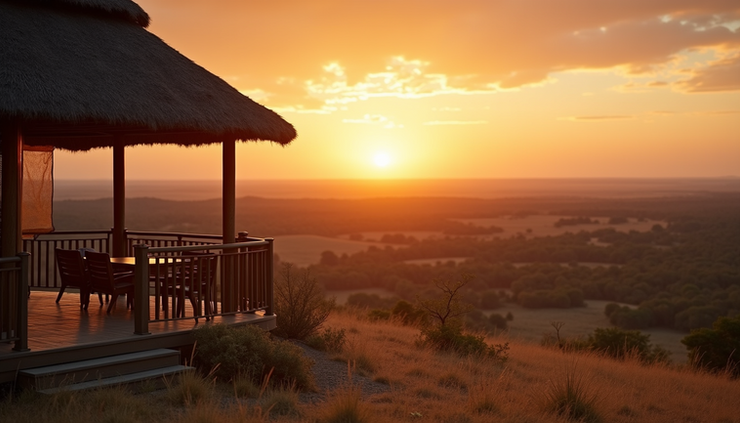
Choose the Right Hunting Destination
South Africa has many hunting regions, each with unique terrain and wildlife. Popular areas include Limpopo, Mpumalanga, and the Eastern Cape. When selecting a destination, consider:
Game species available: Some regions specialize in plains game like kudu, impala, and springbok, while others offer dangerous game such as buffalo or leopard.
Terrain and climate: Decide if you prefer open plains, dense bush, or mountainous areas. Weather conditions vary, so check the best season for your target species.
Accessibility: Some hunting areas are remote and require long travel times. Factor in your comfort and travel preferences.
Researching the region’s reputation and reading reviews from past hunters can provide valuable insights.
Verify Hunting Operator Credentials
Your hunting operator plays a crucial role in your safari experience. Look for:
Experience and reputation: Choose operators with proven track records and positive testimonials.
Professional guides: Qualified and knowledgeable guides improve safety and increase your chances of a successful hunt.
Ethical hunting practices: Confirm that the operator adheres to ethical standards, including fair chase principles and conservation efforts.
Request references and ask detailed questions about their services before booking.
Understand the Hunting Package Details
Hunting safaris often come in packages that include various services. Clarify what is included and what costs extra:
Duration of the hunt: Typical safaris last from 3 to 10 days. Longer trips allow for more hunting opportunities.
Species and trophy fees: Some animals have fixed prices, while others vary depending on size or rarity.
Accommodation and meals: Check the quality and type of lodging, as well as meal options.
Transportation: Confirm if airport transfers and in-field transport are provided.
Additional services: Ask about trophy preparation, shipping, and taxidermy options.
Having a clear understanding of the package prevents surprises and helps you budget accurately.
Plan Your Travel and Documentation
South Africa requires specific documentation for hunting safaris:
Firearm import permits: If you bring your own rifle, you must apply for import permits well in advance.
Visa requirements: Check if you need a visa to enter South Africa based on your nationality.
Health precautions: Vaccinations and travel insurance are recommended.
Booking flights early can save money, and consider travel insurance that covers hunting activities.
Prepare Your Equipment and Physical Fitness
Your gear and fitness level affect your comfort and success during the safari:
Hunting equipment: Confirm what firearms and ammunition are allowed. Bring appropriate optics, knives, and clothing.
Clothing: Pack lightweight, breathable clothes for the day and warmer layers for early mornings or evenings.
Physical condition: Some hunts involve walking long distances or navigating rough terrain. Prepare with regular exercise.
Safety gear: Include first aid kits, insect repellent, and sun protection.
Consult your guide for specific recommendations based on the hunting area and season.
Respect Local Culture and Conservation Efforts
South Africa’s hunting industry supports conservation and local communities. Show respect by:
Following local laws and customs: Abide by all regulations and guidelines provided by your operator.
Supporting community projects: Some operators contribute to local development and wildlife protection.
Minimizing environmental impact: Stick to trails, avoid littering, and use eco-friendly products.
Understanding the role of sustainable hunting helps preserve South Africa’s wildlife for future generations.
Budget Wisely for Your Safari
Hunting safaris can be costly, so plan your budget carefully:
Upfront costs: Include the hunting package, flights, and travel insurance.
Additional expenses: Trophy fees, tips, gear, and shipping trophies home.
Contingency funds: Unexpected costs can arise, such as medical emergencies or changes in travel plans.
Request a detailed quote from your operator and compare options to find the best value.
Book Early to Secure Your Spot
South African hunting safaris are popular and can fill up quickly, especially during peak seasons. Booking well in advance for 2026 ensures:
Availability of preferred dates and species
Time to arrange permits and travel documents
Better rates and package options
Start your planning at least 6 to 12 months ahead to avoid last-minute issues.


Comments